This is a blog dedicated to the Marketing of Healthcare Services. I welcome comments and feedback.

Blog Search

Anas' Weblog

Showing posts with label Max Healthcare. Show all posts

Saturday, April 17, 2010

A Neurosurgery In Delhi-A Tale of Two Hospitals


A couple of weeks ago an old friend of mine called from Indore. His father in law, who was visiting his family in the US has had a seizure. His wife had rushed him to a local hospital, where they found a large tumour in his brain. The tumour measuring more than 5 cms was likely to be benign. The patient, a sprightly 68 years old has never had any illness, has never seen the inside of a hospital and the family was very concerned about this sudden turn of events.

Now I have known Asit for a long time. We went to school together. After the school got over we drifted apart. Asit migrated to the US, while I settled down in Delhi. We lost touch with each other till we found ourselves connected over the wired world of e-mails and the ubiquitous Facebook. Asit subsequently started a yahoo group and many of us got in touch with each other after almost 20 years.

Asit over the phone sounded very worried. He was in India on work, his in-laws were in the US with his wife (their daughter) and a medical crisis was facing them. His father in law has been recommended surgery and Asit wanted to know everything about the tumour, the treatment options, the hospitals in India, where the surgery could be done, the prognosis post surgery, the mortality rates and who were the best neurosurgeon whom he could get an opinion from. I recall I was in Mumbai when Asit spoke with me first and I promised all possible help.

Asit, soon had his wife send me the patient’s scans and reports from the US. On Asit’s request I met a neuro-surgeon in the Lilavati hospital in Mumbai. The surgeon gave me time in the evening and explained about the surgery. However, this surgeon for some reason did not inspire trust. He seemed almost bored through out our interactions, it was as if I was a smart alecky patient attendant and he the big reluctant surgeon, doing me a great favour by discussing the impending surgery.

On my return to Delhi, I set up a meeting with Dr. Ajeya Jha, the chief of neuro surgery at the newly opened Medanta Medicity in Gurgaon. I have known Dr. Jha from my days at Max Healthcare,where he was the chairperson of the Institute of Neuro Surgery. Dr. Jha, went through the reports and the scans, confirmed that the patient had no choice except surgery and answered all my questions patiently. He was happy to speak with Asit over the phone and allay his apprehensions as well. He also assured Asit that the surgery in India at Medicity was as safe as any where else in the world.

In the meanwhile Asit’s wife Sudha sought a medical opinion at Stanford in the US. She met with the doctors in the US, and discussed the option of surgery in India. They were reassured that surgery in India was a safe option and the outcome was expected to be just as good as any centre in the US.

Now that we were making progress I requested Asit to travel to Delhi to meet Dr. Jha. I also told him that, while in Delhi he must also meet at least one more neuro-surgeon so that he can exercise choice. I made enquiries and was referred to Dr. Rana Patir, the chief of neurosurgery at Max Healthcare.

On March 31st, the patient landed in Delhi. Asit too arrived from Indore and in the afternoon we met Dr. Jha at the Medicity. Asit was very impressed with the hospital. It looked almost as good as any hospital that he had seen in the US. Dr. Jha spent an hour with Asit and his close relatives who had also arrived in Delhi for the surgery. They bombarded Dr. Jha with questions, which he answered patiently, explained in great detail about the surgery, the odds of complete recover (95%), partial recovery (99%) and mortality 1%. He drew diagrams to explain the situation. Not once did he sound either overconfident or tentative. Dr. Jha laid it out as it was, yet inspired confidence in his and his team’s skills.

After our meeting with Dr. Jha, we drove to Max for an appointment with Dr. Patir, which was fixed for 6 in the evening. On reaching the hospital we were informed that Dr. Patir was in surgery and would see us in 15 mins. We waited outside his OPD amongst a bunch of patients, apparently all waiting for him. Our wait grew from 15 mins to almost 2 hours, and there was no sign of Dr. Patir. I called up the hospital administrator, who is a friend of mine from our days together at Max. He too was acutely embarrassed and advised me to write a complaint and promised to raise the matter internally.

Finally as we were about to leave in disgust, Dr Patir sauntered in. A wild rush amongst those waiting outside his office to meet him ensued. After about 2.5 hours of waiting we were ushered in to meet Dr. Patir. He too went through all the reports, answered all our questions, gave us time and the same kind of odds that Dr. Jha had given. Since, I had to return to work and I had been delayed waiting for Dr. Patir, I left Asit, while they were still Dr. Patir.

The next day Asit called me up. They had decided to have the surgery at the Medicity. He felt more comfortable with Dr. Jha, who had given them more time and treated them with great courtesy (not that Dr. Patir was rude, he just felt Dr. Patir was too busy). Asit also felt that Dr. Jha appeared more keen on treating his father in law, had given them personalised attention and had been very honest and forthright with them.

Mr. Jain underwent successful surgery at Medicity two days later and made a quick recovery. The cost of surgery in the US was approx. USD 160000 after the factoring in all the discounts that Asit was entitled to. At Medicity the cost was less than USD 15000.

As far as Max is concerned, they lost a patient to a newly opened rival because Asit did not have enough patience to put up with Dr. Patir (who by all accounts is a very good surgeon) and Medicity honestly tried a lot harder.

I have the changed the names of the patient and his relatives to protect their privacy

Sunday, April 4, 2010

Why do the Hospitals need to invest more in Advertising?


Hospitals in India hardly advertise. Most of them look at advertising as an unnecessary expense and keep it minimal. This really need not be so. Looked from another angle, advertising for a hospital can be a critical investment, which allows it to differentiate its services, educate customers about its core beliefs, introduce new products and services and help gain new customers. Unfortunately, in India hospitals believe that customers do not appreciate hospital advertising and may even be put off by it. Many hospitals, who are doing well do not see the need for advertising. With occupancy rates high, the hospitals feel they are wasting money by advertising. Little do they realise that advertising quite often is not only about getting more patients.

To make matters worse, whatever little advertising one sees is mostly inane and dull. The communication usually bears the imprint of too many cooks adding different flavours to the advertising, making it a weird medley of pictures, long copy and a strange layouts. The marketing teams in the hospital are forced to accommodate various view opinions (that of the hospital COO/CEO, the heads of medical departments, other leading physicians, the sales head, and sometimes the owner of the hospital ) to arrive at a piece of communication, which is usually a disaster from a marketing communications point of view. While, this piece assuaged inflated egos, ensures gory pictures (usually reflecting some landmark surgery) in the ads, highlights achievements of some or the other doctors, it fails in its primary purpose of connecting with the end-user.

Here are a few reasons, why hospitals should look at their advertising a lot more seriously and spend money wisely in connecting with their customers.

Core Beliefs and Positioning

A hospital must advertise its core beliefs through a well thought of brand campaign. It is imperative for customers to know what their hospital stands for, what its core values are and how does it strive to stay true to those beliefs. Thus, if a hospital professes to provide ‘Total Patient Care’as a consumer I would love to know, what it means and what all can I expect from the hospital. Similarly if a hospital is positioned as a ”cutting edge technology” centre I would like to know what that means to me as a customer. A hospital must stand for something in the consumer’s mind. I am not sure, our big hospital brands Apollo, Fortis, Max and Wockhardt (now part of Fortis) have been able to establish any kind of distinct identity in the consumer’s mind.

Products and Services

A hospital offers a multitude of services. Customers need to know about them and hence advertising is a good way of keeping customers informed. New services keep getting added from time to time and the hospitals need to keep their customers updated. Recently Max Healthcare started its cancer services. All that they did was release a solitary advertisement, welcoming the new Chairman of Cancer services!!! The ad was also supposed to serve the purpose of informing the customers about the commencement of cancer care services at the hospital. Wouldn’t it make greater sense to announce the commencement of a service with a nice campaign and if needed also feature the medical leader/team in the ads?

Hospital Launch

A new hospital commencing operations needs high decibel advertising. Artemis did this well, when we launched the hospital. We had large bill boards in Gurgaon, a fairly heavy presence in the local print media and local community engagement through ‘fam visits’ to the hospital. I recall Max Healthcare during their launch also did a fairly well orchestrated multi-media campaign. However, many hospitals too try to save money by launching quietly and hoping the customers will come through the word of mouth or through doctors pulling in their existing customers. I believe, these are sub-optimal ways of launching the hospital’s services and an old-fashioned media blitzkrieg works the best.

Renewing Existing Services

Sometimes it is necessary that a hospital ‘renew’ its existing services. These days, I am seeing some bill boards near my residence advertising Apollo’s new Knee Clinic. The communication is targeted at the elderly, informs about the new Knee Clinic, which offers Knee Replacement services at the hospital. Now, Apollo hospital has been doing knees for a long time, however the communication is trying to repackage the service and relaunch it. Unfortunately, There are just two bill boards and, while the intent is laudable, the hospital is being very stingy. Similarly, while in Bangalore recently I came across a ‘Short Stay Surgery’ campaign by Wockhardt Hospitals. Again the effort seems to be to reposition their Laparoscopic Surgery services in a customer friendly matrix, but the money behind the campaign appeared too little to make any significant impact. Other hospitals too need to often ‘renew’ and repackage their services smartly.

Driving Traffic

Hospitals can drive traffic to their OPD’s through innovative offers. In fact the bulk of hospital advertising today focuses here. A free Cardiac Camp around the World Heart Day is routine. Similar camps and offers in other specialities help drive traffic to the hospital OPD’s. The problem here is that hospitals do these sporadically, without adequate planning and often as band-aid solutions to transient OPD traffic related issues. Tactical campaigns need to be more consistent and better planned to yield optimal results.

Educating Customers

Wouldn’t it be wonderful if a hospital did an educational campaign about let us say heart disease or diabetes or any other lifestyle diseases. The campaign should aim to educate customers about the disease, its symptoms, treatment options, success rates, technology available and the medical expertise available to treat the disease. The objective should be to inform the customers, help them ask the right questions and thus make the right choices. Unfortunately, none of our hospitals including the big chains are willing to invest in patient education simply because the returns are relatively long-term.

Pic is indicative.

Wednesday, March 3, 2010

The Afghans at Max Healthcare

I have been in and out of the Max Hospital in Saket the last week, mainly on account of my grandmother who is admitted in the hospital’s medical ICU, trying to beat a tough infection and the kidney failure it has brought on. My grandmother is over a 100 years old and is a fighter to the core. At her age, we know her prognosis is grim, however she is not giving in-not just yet at any rate.

As I spent time in the hospital, I could not help but notice the Afghans flooding the hospital. The tall and strapping Afghans, many in their traditional dresses are easily recognisable. Seeing so many of them using the hospital now, sent me back 5 years down the memory lane, when we had first looked at Afghanistan as a possible business opportunity.

Ashmeena Ghei, had just taken over as the Head of International Sales and I headed Marcom as well as domestic sales with in India. Dr. Praveen Chandra had joined the interventional cardiology team and was keen to taking a medical team to Kabul. In his earlier assignment at the Escorts Heart Institute, Dr. Chandra had successfully organised many such camps. Between him and Ashmeena, we assembled the team for Kabul. Ashmeena went earlier to set up everything, the team’s stay arrangements, local hospital tie ups, publicity for the medical camp, permissions from local authorities et al. I arranged all the publicity material-getting posters and banners in Dari was a tough ask, but we got everything organised and sent to Kabul by the Indian Airlines flight, only to discover errors in camp dates!!!. I had no way of understanding what dates have been printed in the Dari script and these were discovered when our material reached Kabul. Panic hit the Delhi team and we worked overnight to correct the mistakes and resend everything.

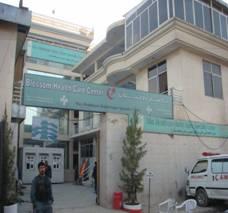
Dr. Chandra and his team’s visit was hugely successful. They treated scores of local people and generated tremendous goodwill for the hospital. We had them on the local Tolo TV station and the local press covered the camp. Ashmeena also roped in the general sales agent of Indian Airlines based in Kabul as the local Max Healthcare representative. His office was right opposite the Indian embassy in Nowshar area of the city and this proved hugely beneficial as patients planning to travel to India could get their visas at the embassy, walk across the road to purchase their tickets and also get information about Max Hospitals. The office was inaugurated with much fanfare with new Max signboards being put up in English and Dari. We also forged a referral tie up with the local Blossoms Hospital. This was to be used for regular referrals to Max Hospitals in Delhi.

That began a small trickle of patients from Kabul. Subsequently when Ashmeena moved on, I took over from her as the Head of International business at Max Healthcare. The traffic from Afghanistan continued to grow, we appointed a few agents in Delhi who regularly brought in their patients, hired local Afghans as translators and continued sending medical teams to Kabul frequently. My successors at Max have done a fantastic job of extending the Afghan connection so much so that in December last year when my father was hospitalised in Max for prostate surgery, I received a call from the hospital’s international desk, with someone trying to hold a conversation with me in Dari!!!. Going by our Muslim name, the desk had simply assumed that my father must be another Afghan patient admitted in the hospital.

Sitting quietly in the hospital cafeteria I could not help but watch with pride the multi-hued, multilingual and truly international set of patients using the hospital’s services. The preponderance of the Afghans in this mix made me wonder that the seed that was planted so many years ago has grown into a big tree.

Thursday, January 14, 2010

The Silly Question of RoI in Healthcare Marketing


The other day I was with Dr. Jadhav who heads the Marketing function at the well known Narayan Hrudayalaya in Bangalore. Dr. Jadhav was keen to use radio for his hospital’s communication needs and I was hoping to persuade him to advertise with Fever 104, the radio station owned by The Hindustan Times, my current employers. Narayan Hrudayalaya, which is a well-known cardiac hospital thanks to the famous Dr. Devi Shetty and his pioneering initiatives, has recently started a Cancer Centre as well as a Multi Speciality hospital and wanted to promote these. The aim of the communication was to tell the citizens of Bangalore about these services available at Narayan Hrudayalaya and to drive ‘footfalls’.

While I discussed the plans with Dr. Jadhav, I could not help but notice his concern about the RoI on his marketing spends. Dr. Jadhav was very clear that if he spent Rs. 100, he needed 3 times the sum in revenue, which could be directly attributed to this activity. I could easily relate to this because this is exactly the kind of expectations the management teams had of me, when I headed the Marketing function at Max Healthcare and Artemis Health Institute.

I wish calculating RoI on healthcare spends was this easy. While there are many websites, which help one calculate RoI on marketing spends using complex formulae and spreadsheets involving the lifetime value of a customer, the cost of capital and what have you, I believe quite often the best way forward is a subjective gut feel and patience.

Measuring the success of a healthcare marketing campaign by merely counting the number of queries/walk ins generated in the hospital OPD is a great folly. The hospital business is unlike any other business and one must remember that exciting marketing communication alone will not lead to people walking in to check out the services of the hospital. This can happen for a new restaurant or a movie theatre, but for someone to visit a hospital he must have a pressing need.

Tactical communication involving discounts, freebies and the like should be handled with care. I am not sure I would prefer to go to hospital for cardiac surgery because there is a discount being offered on the surgery, or I would like to go under the knife at a particular time just because the hospital is offering a deal. Come to think of it, I would be downright suspicious of the hospital if it tries to hustle me into a medical procedure by making a commercial offer.

Marketing spends in a hospital must be looked upon as an investment in the hospital brand and the values it stands for. The customers should be informed about the services of the hospital, the experience and training of its doctors, the robustness of its systems and processes and above all the promise of the experience the hospital hopes to deliver to its customers. It can highlight its ease of access, competitive pricing vis-a-vis other hospitals and superior services. The hospital must showcase medical excellence, send out stories of success against great odds and constantly remind its customers what it truly stands for. It needs to communicate all or some of these over time before it should even attempt to measure the RoI.

A hospital’s brand equity is built over many years and much as hospital marketers would like to hurry this up, there are just no shortcuts. A hospital must set aside a small sum of money (7% of sales in the first years tapering to 2-3% in later years) year on year to spend on connecting with its patients and the local communities it hopes to serve. It should diligently spend this money informing, educating and reinforcing its brand values.

A few years later, the hospital will find itself buzzing with patients and no one would really be interested in the RoI on marketing spends.

Sunday, December 27, 2009

Doctors and Healthcare Advertising in India


Many years ago when I worked at a hospital chain, our advertising agency had come up with a campaign featuring happy patients. The hospital wanted to showcase their doctors. The objective of the advertising was to showcase the hospital’s expertise and superior services and position it on the ‘care’ platform.

The advertising agency and the hospital had been at loggerheads on this. The agency was dead certain that showing hospital doctors in ad visuals was a bad idea. They had come up with the images of happy people, who had had wonderful experiences at the hospital. The copy proceeded to narrate the experience in glowing terms, capturing the essence of the hospital and making a point about its medical and other services. I had liked the ads, though I found them a little run of the mill. Nothing very extraordinary but steady communication, which made its point. It however never saw the light of the day.

In those days (and I suspect in many hospitals even today) the brand manager had to run the ads past the medical folks. The prevalent thinking was that the medical people will be able to spot bloomers and also come up with great suggestions and those could be incorporated in the communication. However, I quickly learnt that the reality was usually very different. Most medical folks had very little understanding of consumer facing communication, and most wanted themselves featuring in the ads. Many also wanted images of them operating on patients and were keen to showcase all the gory details of their glorious profession. Some even had suggestions on how ad copy headlines and even hospital logo was to be arranged. The advertising agencies hated this mutilation of their advertising and the brand manager had the task of balancing the demands of the doctor, the agency and the brand itself.

As I gained in experience, I realized that a lot of hospital advertising had very little to do with end consumers. Now, this may sound absurd, but let me explain. Often hospitals would hire high profile doctors committing huge marketing spends on promoting them and their specialities. This would be the understanding between the hospital bigwigs and the doctor concerned. Thus, a significant purpose of the advertising will be to keep the doctor in good humour and honour a commitment made to him. Thus the doctor would legitimately expect to feature in the communication and try and showcase his skills.

Unfortunately, even now one rarely comes across real ‘brand’ advertising in healthcare in India. Most hospitals still prefer to bet on individual doctors and shy away from investing in the hospital brand. New hospitals do a little ‘launch’ related advertising, however there too quite often one encounters a well known doctor prominently featured in the communication.

Recently I came across advertising for Alchemist Hospital in Gurgaon, featuring the well known cardiac surgeon Dr. P Venugopal. He was till recently the director of the All India Institute of Medical Sciences and has now joined Alchemist Hospital in Gurgaon. Max Healthcare announced the commencement of their cancer services leading in with the doctors they have hired. They also ran ads featuring Dr. Pradeep Choubey, a well known laparoscopic surgeon who has joined them from Sir Gangaram Hospital.As a consumer, why do I need to know how Dr. Choubey looks to understand that he has now moved from Sir Gangaram Hospital to Max Hopsital. Yes, as a consumer I would like to know how Dr. Choubey’s expertise and services makes Max Healthcare a better hospital.

Seeing these ads recently reminded me of my struggles as a young brand manager. Even after so many years, it seems in healthcare communication nothing much has changed.

Here is wishing everyone a Merry Christmas!!!

Pic courtesy www.istockphoto.com

Saturday, October 31, 2009

My experiences at the Indraprastha Apollo Hospitals


Apollo HospitalThe other day I landed at the Indraprastha Apollo Hospitals, a stone’s throw away from my residence in New Delhi. My wife needed a test and our doctor at Max Healthcare asked us to get it done at Apollo as the equipment at Max was out of order. The moment I walked in I felt as if I was on a railway platform. The hospital was full of patients as everybody appeared to be in a mad rush. In the OPD area, the ladies at the reception were busy, chatting amongst themselves, while patients and their caregivers waited for their attention. They wore no uniforms and for some strange reason, they were also collecting cash from the patients (apparently for the doctor’s consulting charges) and handing out receipts scribbled on small chits, which did not even have the hospital’s name on it.

Strangely, I was than directed to a cash counter to pay for the tests.

Since my wife needed some injections we were asked to go to the pharmacy and buy them, bring them back to the treatment room in the OPD area, where a nurse would help us with the shots. As we wound our way back to the Pharmacy we discovered that buying medicines is a huge chore. We submitted our prescription at a counter in the pharmacy and were handed over tokens and asked to wait. There was no place where one could even stand, without being pushed around. After being jostled around for 30 mins, we managed to buy the medicines, only to discover that we also needed to buy the disposable syringes, which the doctor had forgotten to mention on the prescription. So lo and behold the charade of the tokens was repeated.

During all this I counted 18 people inside the pharmacy store and the two guys who handed me the medicines and accepted my cash kept chatting with each other in a south Indian tongue, without bothering to pay any attention to me whatsoever.

We returned to the OPD and were directed to room no. 15 for the shots. This room was locked and we were than directed to a paediatric immunisation room full of anxious parents and bawling kids. This is where my wife managed to get the shots she needed. We wasted more than an hour in all this and ran around the hospital OPD trying to get some very basic services. The staff was uniformly disinterested in us, poorly trained and too busy to attend to us. Fortunately, the test my wife needed was routine and she is in good health. I can just about imagine the plight of patients and their care givers flocking to this hospital and being shunted around by a callous system, which barely works.

And now here is what happened when I came to collect her reports two days later.

I called up the hospital to check if the reports were ready. On being informed that I could collect these by 8 PM, I agreed to stop by to pick these up. As I walked in at about quarter to 8 in the evening I discovered a security guard merrily locking up the report collection area. He directed me to take another door into the radiology reception and 5 minutes later, when I walked in I found the lights switched off, the guard had also disappeared and there was not a soul to be found. Perplexed, I walked into another adjacent room and found someone busy on the phone.

As I explained my predicament, this gentleman informed that I was late and that the staff usually left 15-20 minutes earlier than closing time! Amazed and incensed at all this I asked to be directed to someone, whom I could lodge a complaint with. Much to my disbelief I was told to approach the Emergency Medical Officer in the Emergency!

At the reception in the Emergency, I found myself explaining my situation to a young man, who was simultaneously trying to answer questions from an anxious gentleman, whose father had just been brought in with severe chest pain!!! The emergency medical officer, who was supposed to record my complaint was predictably busy with a patient and I was asked to wait. After about 30 minutes of watching the bedlam of a busy Emergency room with no one paying me the slightest attention, I raised my voice (and in the process added to the chaos) and demanded to see the highest ranking hospital official to record my complaint.

I was than informed that the Night Duty Manager will now attend to me soon. Another wait of about 15 minutes followed and yet no one showed up. I again screamed at someone and in another 10 mins a nurse walked out looking for me. She understood my problem, asked me to wait and went to fetch my reports. She returned in a while with my reports and gently admonished me for being so late and irresponsible in collecting my documents.

This is a true story of Delhi’s only JCI accredited hospital. God help us all!!!

Sunday, August 9, 2009

Marketing With In


Memorial HospitalHere is an interesting exercise that I recommend hospital marketers to try out with their colleagues in the hospital. Select a group of 30 individuals working in the hospital, preferably those who handle customers. Include in the group a few medical folks, doctors, nurses, front office executives, billing executives, F&B personnel and a few guys from housekeeping. Ask them simple questions on what the hospital brand means to them.

You would be surprised with the variety of answers you are likely to get.

All marketers try and look for a unique customer proposition for their hospitals, one which they believe the hospital delivers to its customers. The proposition is carefully selected after many a long ‘brain storming’ sessions involving the hospital’s leadership team, the branding and communications experts from advertising agencies pitching for the lucrative account. After these hectic sessions what often emerges is a positioning statement, which is than condensed into the hospital baseline, which is than incorporated in the logo of the hospital. It is in essence the consumer promise, which than is communicated to the external world in right earnest. However, what they fail to do is communicate this promise with the same vigour and zeal with customer facing employees, who are actually tasked with delivering this promise.

Let me take examples from two hospitals, where I used to work.

Artemis Health Institute in Gurgaon says that it is all about the ‘art of healthcare’. Max Healthcare similarly professes to be ‘caring for you …for life’. Artemis believes that its services are differentiated from other hospitals because it focuses on the softer side of medicine. The arguement is that the best infrastructure and world class medical faculty is a given, and easy to replicate. What really distinguishes this hospital from others is not what it delivers but how it delivers. Similarly Max Healthcare is all about superlative care, what the hospital calls ‘patient centric care’. It prides itself in delivering great patient care at all customer touchpoints and at every patient interaction.

Now these are indeed lofty goals. I would even go ahead and aver that when these hospitals were being conceived and set up, the founding teams did believe in these ideals. The hospital communication program was designed to put across these differentiations and a fair amount of energy and effort was expanded in developing communication, which helped establish the hospital’s core values. However, and here is the nub of the matter, these hospitals just did not do enough to communicate these values to their own folks down the line who were actually supposed to deliver these sterling objectives.

In the initial days of commencing operations the hospitals did make an effort to train people in handling and treating patients as customers. However, the initial enthusiasm waned soon enough, competition poached many a well trained individuals and somewhere in the hurly burly of running large hospitals the idealism of the past gave way to an all pervading cynicism. Training individuals in the ideals and core beliefs of the hospital became a chore and the trainers too lost their passion.Thus the marketing promise, the all important differentiator remains only in the minds of resolute brand managers who faithfully continue to reproduce these lines with the hospital logos and the colours.

Unfortunately, this is true of most hospitals I know. A brand promise must be delivered unerringly and all the time. For, which hospitals must spend time and serious effort in keeping the promise alive amongst those who are supposed to deliver it a million times everyday.

Pic courtesy www.flickr.com

Saturday, July 11, 2009

The Healthcare Opportunity in India

Everybody acknowledges that the healthcare industry in India has a lot going for it. Patients from across the world are looking at state of the art Indian hospitals for cheap and quality care. The doctors and the nurses are considered to be one of the best in the world, their is abundant supply of good quality medical talent, health insurance is penetrating deeper and the market is predicted to grow substantially.

A quick look at the numbers tell the story. Healthcare is presently a USD 35 bn industry and is expected to grow to USD 75 bn by 2012. A Confederation of Indian Industry report says that investments worth USD 50bn are required annually for the next 20 years to meet the growing demand. India will need 3.1 mn additional beds (presently 1.1 mn) by 2018

While the sector has seen substantial investments in the last year, they are but a drop in the ocean. The healthcare sector has not really seen the kind of action that one would expect considering the opportunities.

The country has just a handful of players who have any significant presence in the market. These include the Apollo Hospitals Group, Fortis Healthcare, Max Healthcare, Wockhardt Hospitals, Manipal Hospitals and Columbia Asia. Out of these only Apollo and Fortis has a significant pan India presence. Wockhardt is largely present in the west and south India, Max is located only in Delhi and the National Capital region and Manipal Hiospitals has presence only in South India.The expansion plans of some of these are in the ‘go slow’ mode. Manipal’s hospital in Delhi, which was earlier slated to commence operations is no where near completion, Max’ hospitals expansion in East and South Delhi are yet to commence operations. New entrants including Reliance are still testing the waters. Sahara group has recently commenced operations at their first hospital in Lucknow, while the plans for many more are still pretty much on paper. Artemis Health Sciences, which had announced ambitious plans for 10 hospitals by 2015 is still struggling with its first venture in Gurgaon and plans for the other hospitals are on hold. Wockhardt is in the doldrums as its parent, the eponymous pharma company is in a financial mess and has reportedly put its hospitals business up for sale.

Strangely, not many foreign hospital chains has as yet finalised their plans to enter the country. Healthcare consulting firms have done studies for some likely entrants but nothing concrete has come of it as yet. Columbia Asia is the onlyforeign hospital chain, which is making steady investments and following a well thought through strategy of establishing its presence in tier 2 towns in India.

It appears that amongst the foreign players the reluctance to invest in India largely stems form the fear of the unknown. Everyone is waiting and watching for an opportune moment. The lack of a proper regulatory environment and an uncertain health insurance play is also acting as dampners.

However, I also believe that for wanna be investors, whether Indian Corporates or foreign players, the time is just about right to make that foray. It is being widely acknowledged that the worst of the economic downturn in India is behind us, a new government is set to take charge in less than 15 days from now and healthcare is bound to be on its priority agenda.

Pretty much like the telecom sector, I believe that the time has come for the healthcare sector to break the shackles and herald the next wave of transformation, which will fundamentally change the way most Indians access healthcare today.

Thursday, April 23, 2009

Akkriti Bhatia and healthcare services in our schools

Here is the tragic case of Akkriti Bhatia, a 17 year old school girl, who died yesterday after collapsing in her school. The Hindustan Times reports that Akkriti complained of breathlessness to her classmates, who then called her mother to send a car to fetch her. Apparently when the car arrived, Akkriti requested her teacher’s permission to go home. The teacher realising that she was seriously ill sent her off to the nearby Holy Angels Hospital, where she was declared ‘brought dead’. Akkriti, it seems died on her way to the hospital.

This is a tragedy that could have been easily averted. Akkriti was an asthamatic child. This was known to the school authorities. Yet it seems there was no one in the school, who had the sense to realise that the girl was in acute respiratory distress and someone needed to call an ambulance. Apparently the school by way of medical support had a medical room and a nurse, and the young girl was administered oxygen in the medical room. Curiously enough when her mother’s car came to pick her up, she was taken off the oxygen cylinder and was sent to the hospital gasping for breath accompanied by the school nurse and another student!

How is it that no one realised how ill Akkriti really was? Why did no one summon an ambulance and trained paramedics? Why was she sent in a car, without oxygen to the hospital? Who should be held accountable for these lapses? Are our children safe in schools?

I believe that the school was just not equipped to take care of an emergency. There was no one including the nurse, who understood the gravity of the problem. I also suspect seeing the child’s condition deteriorating, the school authorities paniced and failed to act rationally. There was neither a person nor any system to deal with a situation like this and in the ensuing confusion, a patently wrong decision of not calling an ambulance and attempting to transfer Akkriti in her mother’s car without oxygen was taken, pretty much sealing her fate.

This is scary.

Particularly, when I know hospitals routinely approach schools requesting them to manage their medical rooms professionally with well trained staff (doctors and nurses), equipment and supplies and emergency hotlines being available all the time. While working for both Max Healthcare as well as Artemis Health Institute in Gurgaon I have myself in the past proposed such arrangements to various schools. I am afraid not a single school responded favourably. The school authorities usually fobbed us off by saying that they had a nurse and at times a doctor, who visited the school two hours a day and they believed that this was more than adequate for their needs. The hospital was always looked upon with suspicion of making money off the school. Many a times, I would request our paediatricians to accompany me to help convince the school head mistresses but all to no avail. They just could not look beyond their noses and my old fear of school authorities would make me beat a hasty retreat.

The blame for this tragedy must lie squarely with the school authorities. A child, while in school is their responsibility. In an emergency they must have set protocols and trained personnel to handle the situation in an orderly and efficient manner. That a well known school like the Modern School, reacted in a manner that cost one of their student’s her life is not only tragic but downright shameful.

Thursday, September 11, 2008

Hospital Marketing to those Next Doors


Marketing a hospital to those in the neighbourhood is often looked upon as the 'low hanging fruit' by many a marketer. The thinking goes something like this. 'We have just started a great hospital and those in the neighbourhood cannot help but notice the swanky chrome and glass exteriors and the blazing signages on the top of the 10 floor edifice. We have world beating technology and some of the most competent and respected doctors joining us. We are streets ahead of all those who have been in this neighbourhood for years and we really do not consider them as competition. All those who have been living in this community will now flock to us.'


Honestly, this is a recipe for disaster, yet so many of us marketers are so blinded by our spanking new hospital that we do not see anything beyond it.

Members of the local community are not going to queue outside a hospital just because it has opened its doors in their community. They have existing relationships, habits and healthcare consumption patterns that they have been comfortable with for years. A new hospital needs to make a serious effort to engage with them and persuade them to give the new hospital a try.
Some of the things that I have learnt, while being involved in the launch of 5 hospitals in the last few years in and around Delhi involve strategies for creating awareness, engagement and a uniquely differentiated experience to those in the neighbourhood.

Local communities will start taking an interest in the hospital if the hospital takes the initiative to engage with them. At the Artemis Health Institute in Gurgaon we started a program, which involved conducting a healthcamp in the condominiums in the neighbourhood of the hospital. The camps were held with clockwork regularity for more than a year. In the initial stages I would often go myself and hang out with the residents, while they met the doctors and underwent basic tests. I and other members of my sales team would talk about the hospital's facilities, services and the like without making it apparent that we were actually delivering a sales pitch. I would also meet the office bearers of the the local condo associations and discuss over a cup of tea as to how the hospital can be a part of the life of the local community. Since most of them were elderly folks who would need healthcare, this was generally a topic of great and often personal interest.

We soon hit upon an idea that in communities where the numbers of the elderly were large, we may set up small clinics with in the community. The clinic was run from a small room provided by the community and we would send a doctor for a few hours per day. The community also allowed us to advertise the clinic, which created greater awareness about the clinic and by association of the hospital. Soon we started getting referrals from these clinics and the emergency calls too increased. Buoyed by the success of the experiment we set up a few more clinics and with in a year we were getting calls from various communities asking us to open these clinics in their communities. The good word spread quickly.

At Artemis we also started awareness programs called 'Public Forums', which were lectures delivered by our doctors. We would advertise the lecture let us say on 'back ache' through print ads in local newspaper supplements and handbills. We would hold the lectures on Sunday mornings in the hospital auditorium and would typically have over 200 people from local communities attend. The sessions will include a lecture followed by a lively question and answer session with the experts and end with a light lunch. We discovered that many people would stay back to consult with the doctors. We believed that an aware customer will find it easy to choose us for his surgical needs. The success of Public Forums branded 'Let's Talk' were an example of how the Medical teams in the hospital worked with the sales and marketing teams to engage with the local residents.

Soon we also introduced an interactive website, uploaded the content of these lectures for people to download and also allowed them the freedom to write to the doctors, create their own pages and share relevant content with each other. The effort was to create a community of people, who suffered from a particular condition and to allow them to interact with each other as well as with the hospital.

While at Max Healthcare, we initiated a branded Neighbourhood Program for the adjacent South Delhi localities, which offered special benefits to folks living around the medical centre. The benefits included discounts on the hospital's regular charges, priority services and a dedicated family physcian to take care of day to day needs of the residents. The local residents were required to enrol for the program and were issued nicely designed cards, which served to identify them at the hospital counters.

To remain top of the mind and ensure good relations with the local communities we supported by advertising in the local resident directories, sponsoring local events and signing up advertising space with in the communities.

The engagement with the local communities is an investment that a hospital should not think twice about. It brings returns much faster than big ticket advertising and fancy launch parties. It also costs a lot less.

All it takes is dogged persistance, patience and a bit of luck.

The images are sourced from www.flickr.com

Monday, August 18, 2008

On the Back of a Star

The star syndrome is a common phenomenon, which dazzles many a newly minted hospital.
I have been part of several start-up hospitals and have attended numerous meetings where all those who matter spout the now so familiar arguements about staying away from the 'stars' in the medical firmament. The arguements run something like this.

The star doctor (a well established doctor with a roaring practice) will be too set in his practices, will bring too much baggage and will never follow our pristine processes, which are far superior to his current practices. He will be a bad influence on everybody else. Another arguement goes that we do not believe in the 'star' system. Why should a 'star' enjoy priviliges, which are not available to our other doctors. A third arguement goes that we believe in growing our own stars. The hospital brand should be the real star and not individual doctors.

One can not really pick a flaw in any of these arguements. Star doctors are known to be egoistic, believe that making patients wait only adds to their stature, often indulge in practices, which are against the laid down hospital policy, break rules with impunity and in general do what they please. The management treats them with undue deference often causing resentment amongst peers. All this because they know they pull in a large number of patients and contribute significantly to the hospital revenue.

Once a new hospital commences operations without stars and the overheads mount relentlessly, while the revenue stream is at best a trickle, the need of a 'star' is felt acutely. The desire to ramp up fast and keep the promoters and other stakeholders off ones back takes precedence over all those arguements cited earlier.

The Star becomes the saviour. The CEO and all other 'chiefs' go 'star' chasing. The star is difficult to catch and quite often one can only sight it in the middle of the night. Meetings happen at his convenience usually anytime between midnight and 3 in the morning. Once on board he is treated like royalty. The star joins with a retinue comprising of his personal staff (numerous secretries, personal assiatants etc.), other doctors ranging from senior consultants to residents and the like. The star is presented to potential patients as as a great trophy. The hospital starts shining in the star's reflected glory. The patients start coming in and life becomes wonderful.

The bliss lasts for a few years. The star is able to fill up many beds. The trouble begins when one realises that under the star's dazzle nothing else grows. He eclipses the hospital brand, does not allow others to take roots, keeps the hospital management genuflecting to his whims and fancies and often bullies patients leading to bad word of mouth. The aura of the star starts diminishing.

Soon the hospital realises that probably they were better off without the star. The old arguements are resurrected. The star starts becoming a mere mortal. The hospital realises that getting rid of the star might not be a bad idea. However, it is easier said than done. Rememeber within the hospital's system the star has many a planets revolving around him.

Eventually the star is either eclipsed or simple allowed to wither away. The management team now believes that they can pull in patients on the strength of the hospital's brand name and soon the star finds itself being wooed by another new hospital, which has come up in these years and is desperately looking for a star to shore up its fortunes.

I wish this was a fable. Folks at all the leading hospitals in Delhi, which include Max Healthcare, Fortis, Apollo Hospitals and Artemis will bear this out. Some are at the stage where their 'stars' are falling, others are desperately looking for the stars to light up their lives.
The great game goes on...

The image is from
http://www.flickr.com/

Sunday, August 17, 2008

The Marketing of a Doctor


Do doctors need Marketing ?


I have worked for more than 8 years in healthcare services Marketing and am yet to meet a doctor who says that he does not need Marketing support. The funny thing is that all of them believe that the Marketing team always does more for the next guy and all of them collectively believe that the Marketing team does very little work in the hospital!


Dr. Bharat Inder Singh a well known family physician in South Delhi and former colleague at Max Healthcare, once told me that the only marketing he knows is putting a board outside his clinic and start treating patients well. Things have moved on since. Things really have moved on since.


I have learnt that while the hospital needs to quickly establish itself as a centre of excellence, the individual doctors are the most important element in the Marketing of a hospital. In the early phase of a hospital it is mostly the doctors who will draw new patients largely from the pool of patients they have treated earlier. While this may last as a steady stream for a few months, this stream of patients will never be adequate to sustain a new hospital. Thus doctors need to get involved in the Marketing of themselves. The Marketing team's task is to create opportunities of engagement of these doctors with potential patients, referring doctors and increasingly HR managers in large corporates. In this post I will examine the role of the doctors and the medical teams in connecting with the referring physicians.


The success of this effort is largely based on how well this collaboration between a doctor and the Marketing team works.


A doctor, who has joined a new hospital needs to understand that it will take some time for the patients to start trickling in. I have known many a doctor who are extremely chary of going in the 'field' with the sales team. This is somehow considered to be infra-dig. They would much rather be in the hospital and wait for the patients to materialise. Some would rely on expensive advertising rather than 'soiling their hands' with the sales folks, asking for patient referrals.


Rarely has this approach succeeded in generating patient traffic.


Most successful doctors know that their is no shortcut to success. Customers today have choices and those who go out to engage with customers, the local populace and the referring doctors stand a much greater chance of building a thriving practice. They also know one simple truth...there is no shame in asking people to visit them if they need help or taking out a prominent local doctor for dinner to get to know him better and build a relationship, which will culminate in patient referrals.


Continuing Medcal Education (CME) programs generally a euphemism for an evening do, involving local physicians (or those of a particular speciality) are common. These provide a platform for a set of doctors usually from a hospital to engage with local outside doctors. In my experience these are necessary in the initial phases to introduce a set of hospital doctors to referring doctors. It is rare that on these occasions a relationship can be forged, which will culminate in patients for the hospital. The next stage of engagement is generally with a smaller group of doctors (10-12) over cocktails and dinner. Finally the sales team will get the hospital doctors to meet referring physicians one on one. It is of utmost importance that a relationship is established between the doctors themselves. Patient referrals follow automatically.

Once patient referrals start, the hospital doctors must keep the referring doctor in the loop. A thank you letter, a phone call informing of the patient's progress can go a long way in cementing the budding relationship. The sales team's role here is to ensure that nothing slips between the cracks and they usually facilitate the communication between the hospital doctors and the referring physicians.


Medical conferences, paper presentations, academic newsletters also help in establishing the hospital doctor's credibility. It is important that the referring doctors be fully aware of the capabilities of the doctors they are refrring their patients to. The conferences also serve as a networking platform for all the doctors.


While all these help get patients for the first time, a doctor will start referring patients on a continuous basis only once he develops confidence in the doctor he is referring patients to. This can only happen when the medical outcomes are good, the patient has a great experience in the hospital and the communication channels between the referring and the referred doctors are working well. I have known of a hospital, where an orthopaedic surgeon and a laparoscopic GI surgeon will happily get patients from the referring doctors, while the cardiologists and the cardiac surgeons will endlessly struggle. The reasons for this were not far to seek. The medical outcomes in cardiology and cardiac surgery were not as good as those in other areas, the doctors hardly ever communicated and the reasons for poor outcomes were always swept under the carpet. I am afraid the situation in this hospital is unlikely to improve unless the core problem is acknowledged and fixed.


At the end of the day the sales team is just as good as the weakest link in the medical delivery team.

Friday, August 15, 2008

The Marketing of a Hospital

Before I get into the business of writing about the Marketing of a Hospital in India I must establish my credentials.
I have been working in the arena of Marketing of Heathcare Services for the last 8 years or so. I have been involved with Apollo Health and Lifestyle Ltd., which is the franchisor of Apollo Clinics part of the Apollo Hospitals Group, headed the Marketing and later the Corporate and International Sales for Max Healthcare a large healthcare services company based in Delhi and for the last two years have been heading the Sales and Marketing function at Artemis Health Institute, a tertiary care hospital based in Gurgaon and promoted by the Apollo Tyres group.
When I started working for Apollo Hospitals as the Marketing Manager for The Apollo Clinics and later at Max Healthcare I was often asked the question as to what really a Marketing person did in a hospital. Marketing of hospitals was understood to be a big no no. If you had a good hospital infrastructure and some well known doctors working for you the conventional wisdom dictated that the patients will follow.
Over the years this line of thinking has completely changed. Healthcare Services Marketing is gradually coming of age. We now even have advertising agencies dedicated to healthcare!
Some of the reasons for this sea change are not far to seek.
Patients to Customers
Patients are fast metamorphing into customers. They are just not satisfied with being a passive presence in their treatment. Increasingly they are demanding that they be included as active partners in their care. They are far more knowledgable and willing to question their care givers including the doctors. Hospitals are realising that for them to succeed in today’s environment they have to engage with patients/customers in a manner which they appreciate and understand. The communication, which engages with customers is generally the prerogative of the Marketing folks. This often translates into Patient Information booklets, detailed instructions before admission, during hospital stay and after the discharge. Extensive websites provide authentic information and hospitals like Artemis also provide interactive websites (http://www.artemisinteractive.in/), which allow patients to communicate freely with each other. Artemis also engages with customers by organising Public Forums, where eminent doctors interact with the public at large.
The Need to Standout
The healthcare revolution is truly underway in India now. The great urban middle class in large metros has multiple choices for their healthcare needs. Most of these hospitals have a lot going for them. However, most of them do not have much to differentiate them from each other. The failure rate of a bypass surgery in Apollo, Escorts, Max and Fortis Hospital is less than 2% and would compare favourably with any hospital across the world. Increasingly the medical expertise is becoming a given. The battle for differentiation is now gradually moving towards the overall customer experience that a hospital is able to deliver to its customers at all touchpoints. The Marketing teams in a hospital defines customer experience parameters and oversee the delivery of this experience at various touchpoints.
The Advertising Conundrum
Advertising in healthcare services have always been a contentious issue. Many people see hospitals splurging money on slick advertising as an effort to profit from some people’s misery. Afterall no one goes to a hospital to enjoy themselves. Hospitals are quite aware of this latent sentiment and try to be discreet about their marketing communication. However, with the patients gradually moving towards becoming customers the old taboos are disappearing fast. An increasing number of customers see private hospitals as commercial enterprise and understand that the stakeholders do need profits. (What they continue to object to and rightly so is to reckless profiteering) In the future healthcare advertising will gain more prominence and we will see more hospitals and probably doctors advertising their services in various media.
The Health Insurance
Presently Health Insurance has a miniscule penetration (4%) in India. With pureplay health insurance companies (Star Health, Apollo DKV and yet to start Max BUPA) commencing operations and with MNC’s offering health insurance coverage to their employees and their families, health insurance is poised for explosive growth. From the perspective of the customers cashless services at all corporate hospitals have taken the all important issue of price out of the customer equation. Thus in this unfolding scenario the differentiation will be through communication salience and top of the mind recall.
The Constant Customer Engagement Paradigm
In the days of yore a hospital interacted with patients only when they came to the hospital and stayed as inpatients. In today’s dynamic environment hospitals engage with customers throughout their lifestyle. Specialised programs are being devised, which enrol customers who are high risk for a disease (cardiac diseases-people with a family history, sedantary lifestyle, high stress levels, smokers and hypertensives). The hospital endeavours to be in constant touch with this group of people. The idea is to remain engaged so that God forbid if something happens the hospital is not too far off. The hospitals are now also devising Post Discharge Care Programs, which allows them to maintain a dialogue with patients even after they have been discharged from the hospital.
These in reality are another version of ‘loyalty programs’. (More on this in a separate post) adapted to the needs of the healthcare industry.
The Marketing function in hospitals is thus fast emerging as a critical function. The Marketing folks are tasked with engaging with customers (no more patients) both outside and inside the hospital. Happily for customers this can only mean a far better hospital experience and not just better care